
When Should You Put Winter Tires on in Ontario?
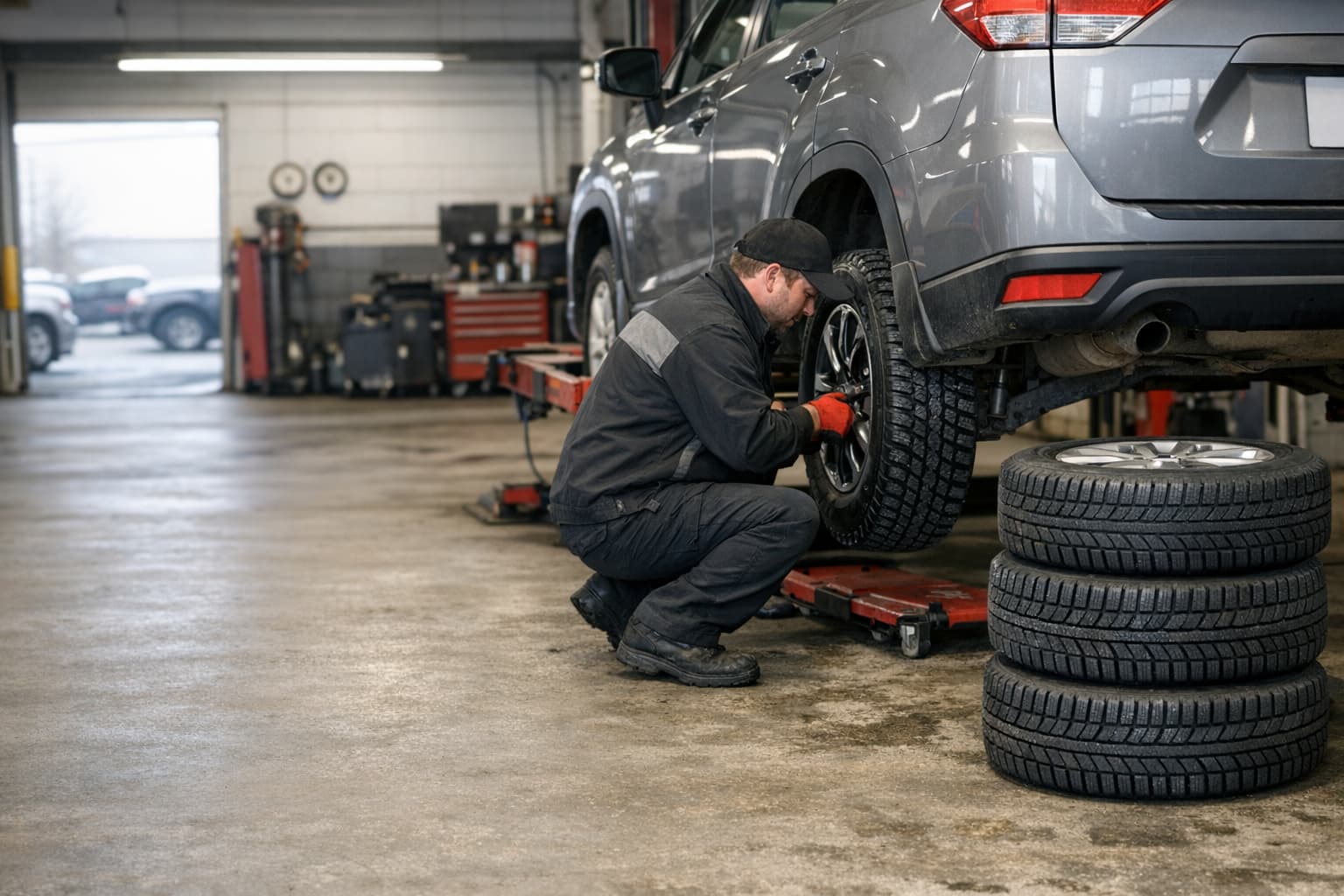
The short answer
Put winter tires on when daytime temperatures stay below 7°C. In Toronto, Etobicoke, and nearby areas, that usually means late October. If you wait for the first snowfall, you are usually late on two fronts: your all-season tires are already getting stiff in the cold, and appointment calendars get busier.
Use this as a simple guide:
- Above 7°C most days: hold off
- Around 7°C and falling through the week: book the swap
- First cold snap in late October or early November: don’t wait much longer
That is the practical answer for Ontario drivers. Plan around temperature, not the first dramatic weather alert on your phone.
Why 7°C matters
Below 7°C, all-season rubber starts to harden. When that happens, the tire does not flex and grip the road as well as it does in milder weather.
You feel that before snow shows up. A dry 4°C drive on the 401 can still mean less grip under braking and less confidence in a quick lane change, even when the pavement looks fine.
Winter tires stay more flexible in that colder range, which helps with:
- braking on cold pavement
- traction on cold wet roads
- cornering when the road is slick but not fully snow-covered
- slush and light snow before the plows catch up
Snow gets all the attention, but a lot of Ontario winter driving is just cold pavement, damp roads, and grey skies.
What 3PMSF tells you
3PMSF stands for Three-Peak Mountain Snowflake.
The 3PMSF symbol means the tire meets a severe-snow traction standard. Confirm the symbol and required installation dates with your insurer.
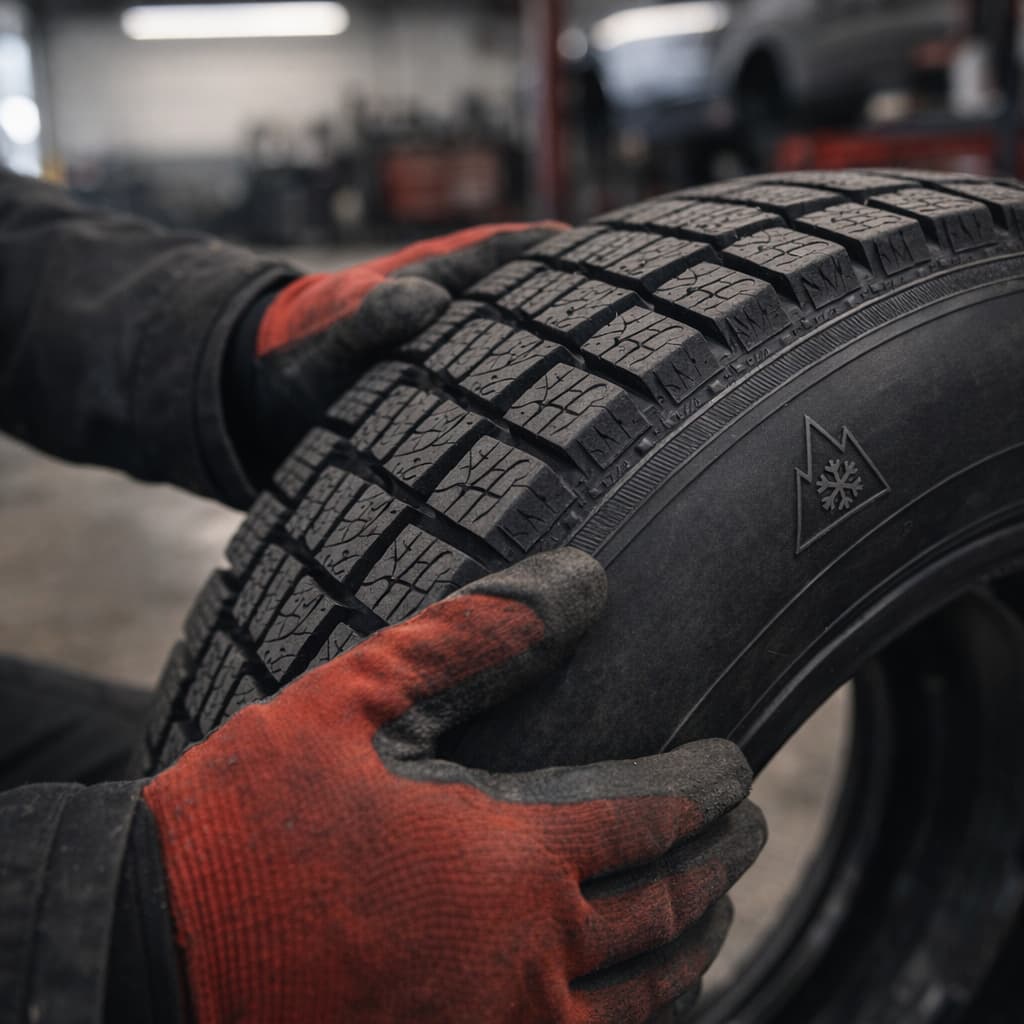
That symbol matters because tread pattern alone can be misleading. A tire can look aggressive and still not be built for real winter use.
When you check your set, look for:
- the Three-Peak Mountain Snowflake symbol on the sidewall
- the correct tire size or approved size combination for your vehicle
- even tread wear
- no visible sidewall cracks, cuts, or bubbles
The insurance question comes up every fall. Some insurers want that symbol, and some also use specific install and removal dates for winter-tire discounts. Confirm both with your insurer before you count on the discount.
Ask two simple questions:
- Do you require the Three-Peak Mountain Snowflake symbol?
- What dates do you use for installation and removal?
That saves a lot of back-and-forth later.
When to book in Ontario
For most drivers around Toronto, late October is the sensible booking window. It gives you room before the first stretch of cold mornings and before the early November rush.
Booking after the first cold forecast usually means fewer available appointments. One blue snowflake on the weather app and half the city suddenly remembers the winter set in the garage.
A simple way to time it:
- watch daytime highs, not just overnight lows
- once daytime temperatures are settling below 7°C, book the swap
- if the car is used daily for work or school runs, lean earlier
- if your winter set is stored at home, pull it out before you call or text
Before the appointment, give the tires a quick look for:
- low tread
- sidewall cuts or bubbles
- an old repair you are not sure about
- missing wheel nuts or a missing key for locking nuts
For used tires sold by the shop, the inspection standard is at least 6/32-inch tread, no sidewall damage, dry rot, or bad patches, and a DOT date under six years.
What a tire swap costs
For standard vehicles, a seasonal swap on rims starts from $50 up to 18 inches. That is the simpler job when your winter tires are already mounted on their own wheels.
A seasonal swap off rims starts from $90 for standard vehicles. That means one set comes off the wheels, the other set goes on, then the tires are balanced and reinstalled.
Here is the quick comparison:
| Service | Starting price | Best for |
|---|---|---|
| Swap on rims | From $50, up to 18 inches | You already have a full winter wheel set |
| Swap off rims | From $90 | You have one set of wheels and separate winter tires |
Four-tire mount, balance, and installation typically takes 45 to 75 minutes. A simple on-rim swap may differ.
A few things can change the final price:
- tire sizes over 18 inches
- pickups and large SUVs
- unusual wheel or tire setups
- extra work found during inspection
If that happens, the change is confirmed before the work continues.
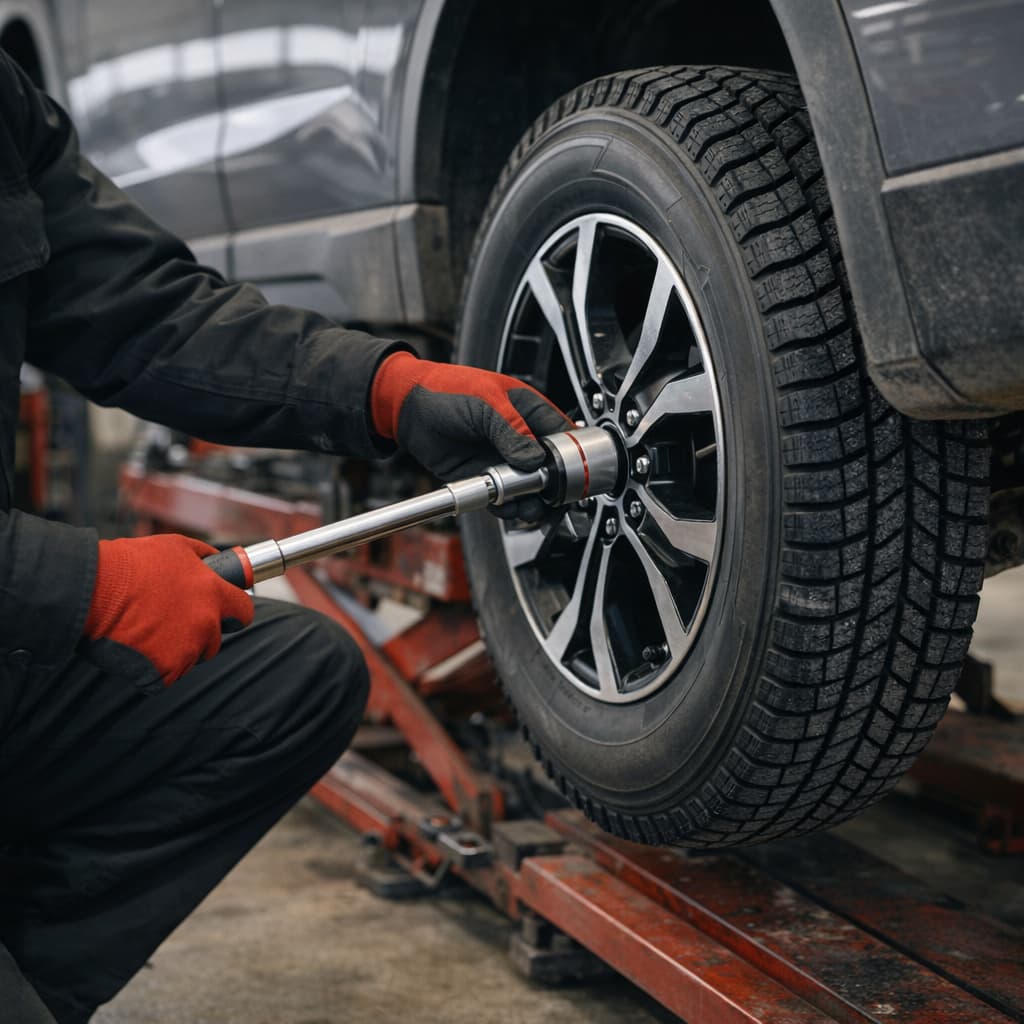
A proper seasonal change also includes the follow-up that keeps wheels secure after the swap. Tire installs include a free 30-day re-torque check, and any workmanship issue caused by the install is corrected.
If you need more than a straight swap, tire work can also include mounting, road-force balancing, flat repair, TPMS service, valve stems, rotations, rims, and new or inspected used tires. If you want the details, you can compare tire services or check the current pricing.
Common winter tire questions
Can I wait until the first snowfall?
No. If you wait for snow, you may already be driving below 7°C on all-season tires, which is when grip starts to drop on cold roads.
Do winter tires help on cold dry roads?
Yes. They help on cold dry roads because the rubber stays more flexible below 7°C, which improves braking and traction compared with stiff all-season tires.
Can I switch too early?
Yes, a little. If daytime temperatures are still well above 7°C for long stretches, it is early. In the Toronto area, late October is usually the sensible middle ground.
Do I need an appointment for a winter tire swap?
Yes. Seasonal swaps should be booked, especially once temperatures begin staying below 7°C.
Book your swap
If you want the right quote for your setup, call or text 416-856-4295 with your year, make, model, and tire size. At Rexdale Auto Detailing, Rickey answers the phone and signs off on the work, so you can get a straight answer on whether you need a swap on rims or off rims and what could change the starting price before anything moves ahead.
You can also send a booking request, then drive in to 2082 Kipling Ave Unit #1, Etobicoke, ON M9W 4J9 for your scheduled service. Hours are Monday to Friday 8:00–6:00, Saturday 8:00–3:00, and Sunday 12:00–3:00.